Week 127 · The Balkans · June 2016
Croatia,
Three countries in a few days — Dubrovnik and the walls of the old city, a day drive south into Montenegro to Kotor and the surprise of Tivat, and a determined but ultimately thwarted attempt to reach Mostar in Bosnia that turned into an impromptu border-crossing adventure. The girls managed Vienna and Prague on their own. Everyone recovered all lost passports and cameras.
We knew we were shortcutting Croatia — but we really just scratched the surface visiting Dubrovnik and could have had several more days in the area. I really should watch Game of Thrones I guess — someone commented that we should visit the Lannisters. I initially thought it was a family from Kentlands who lived on the hill with little kids and must have moved to Dubrovnik.
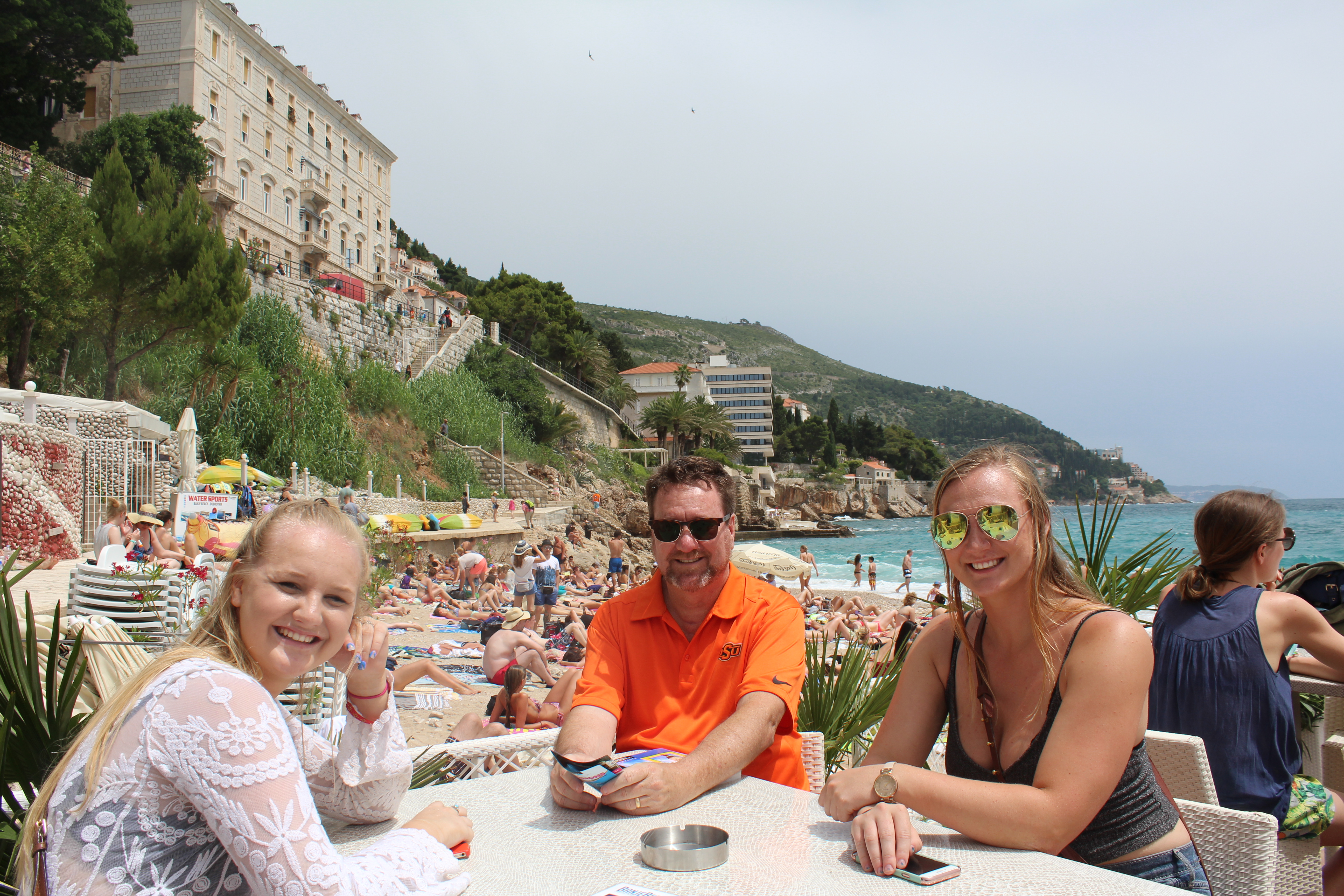
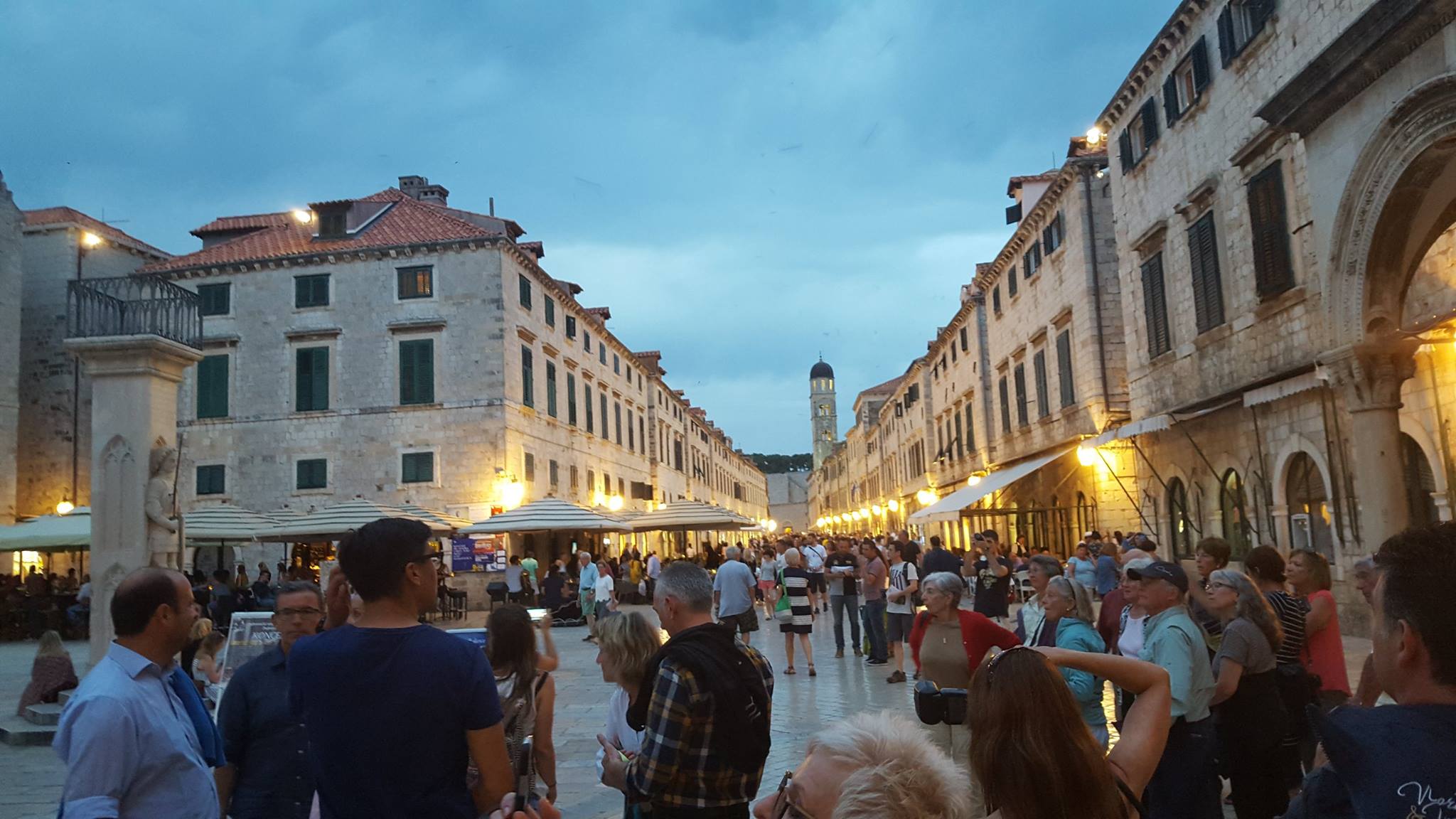
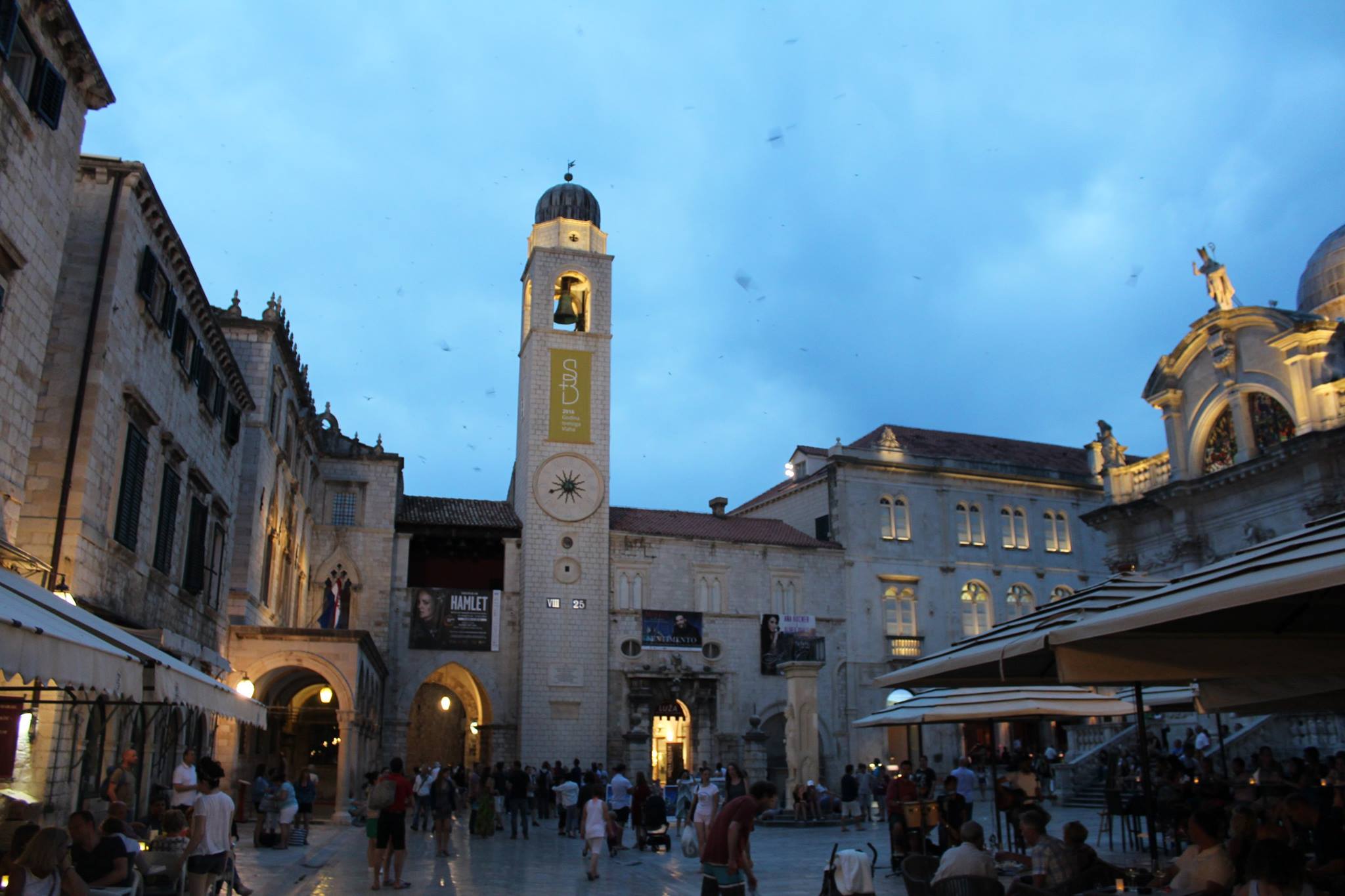
The old town is amazing as well as the coastline. We spent the day in the town exploring and got set just in time for Croatia vs. Czech Republic in Euro 2016 — and literally you could hear the people cheering throughout the city, until Czech tied it at the end. We spent the last half day in a nice port town near the airport.
The walk on top of Dubrovnik's old city walls is one of the finest urban walks in Europe — almost 2km of ramparts encircling the entire old town, with views over the terracotta rooftops to the Adriatic on one side and into the streets and courtyards below on the other. The large dome visible from the walls is the Onofrio Fountain, built in 1438 to supply fresh water to the city via an aqueduct from the Dubrovnik hinterland. During the siege of Dubrovnik in 1991–92, when Yugoslav and Montenegrin forces bombarded the old town, the fountain became one of the only reliable sources of fresh water for residents trapped inside the walls.





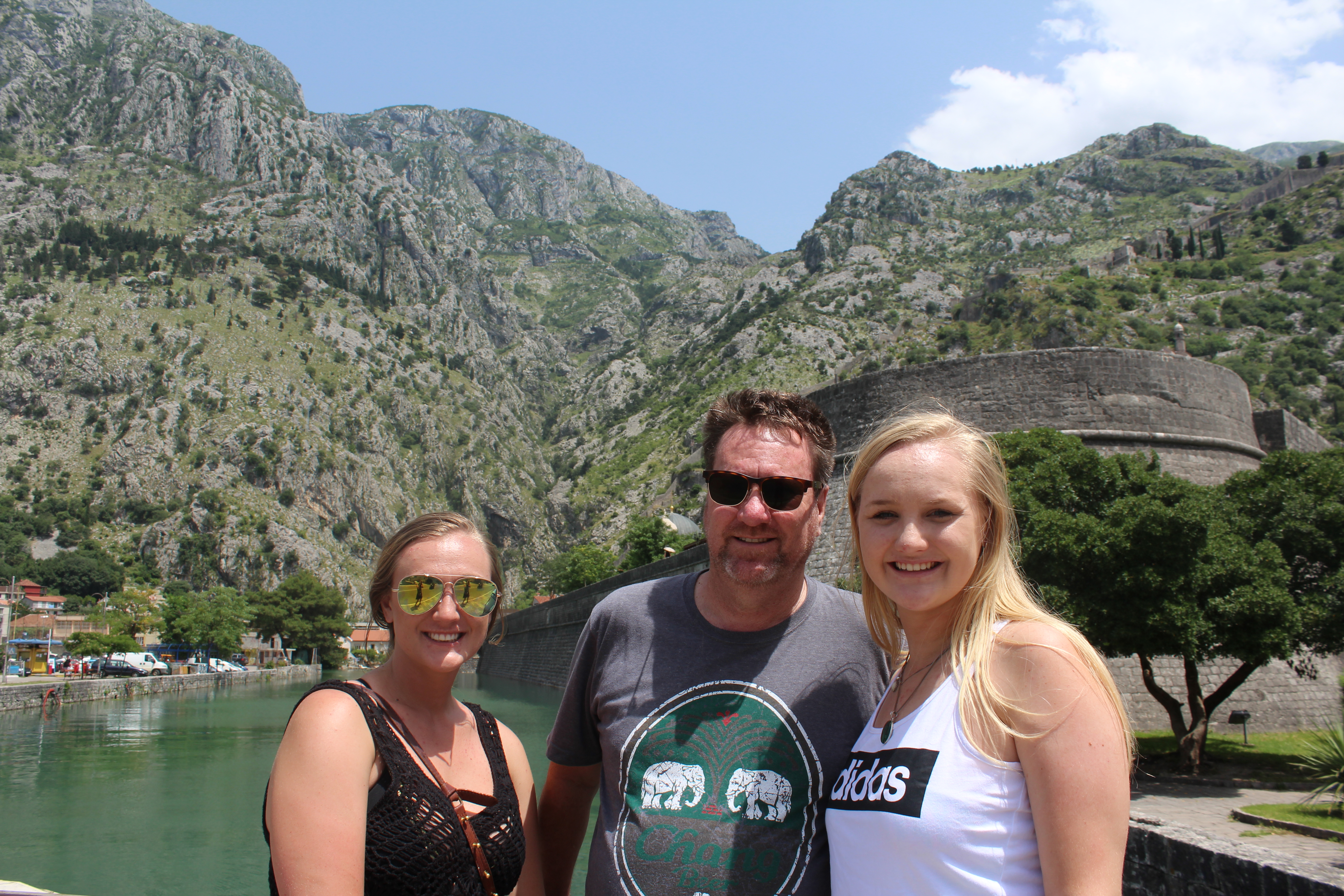
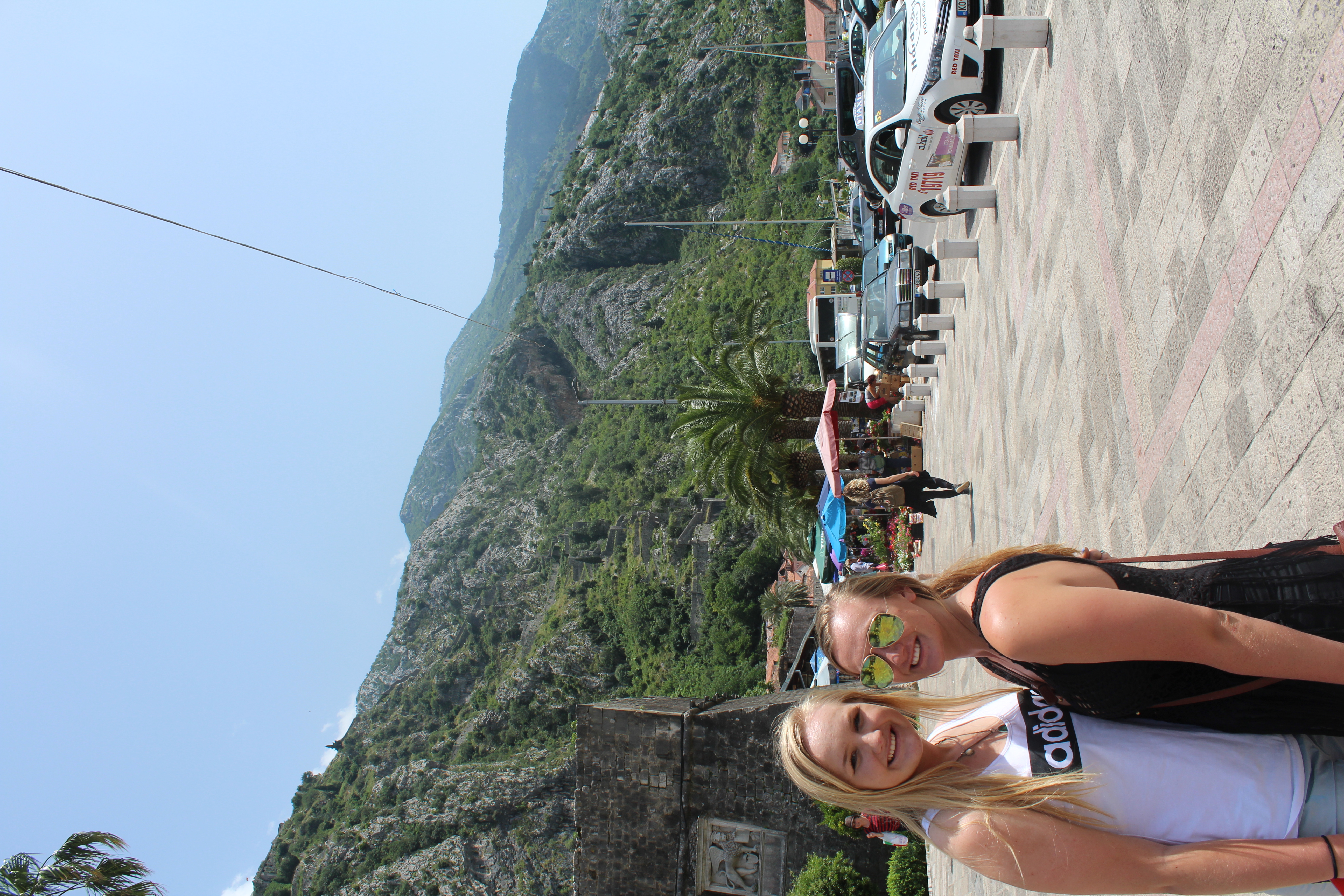
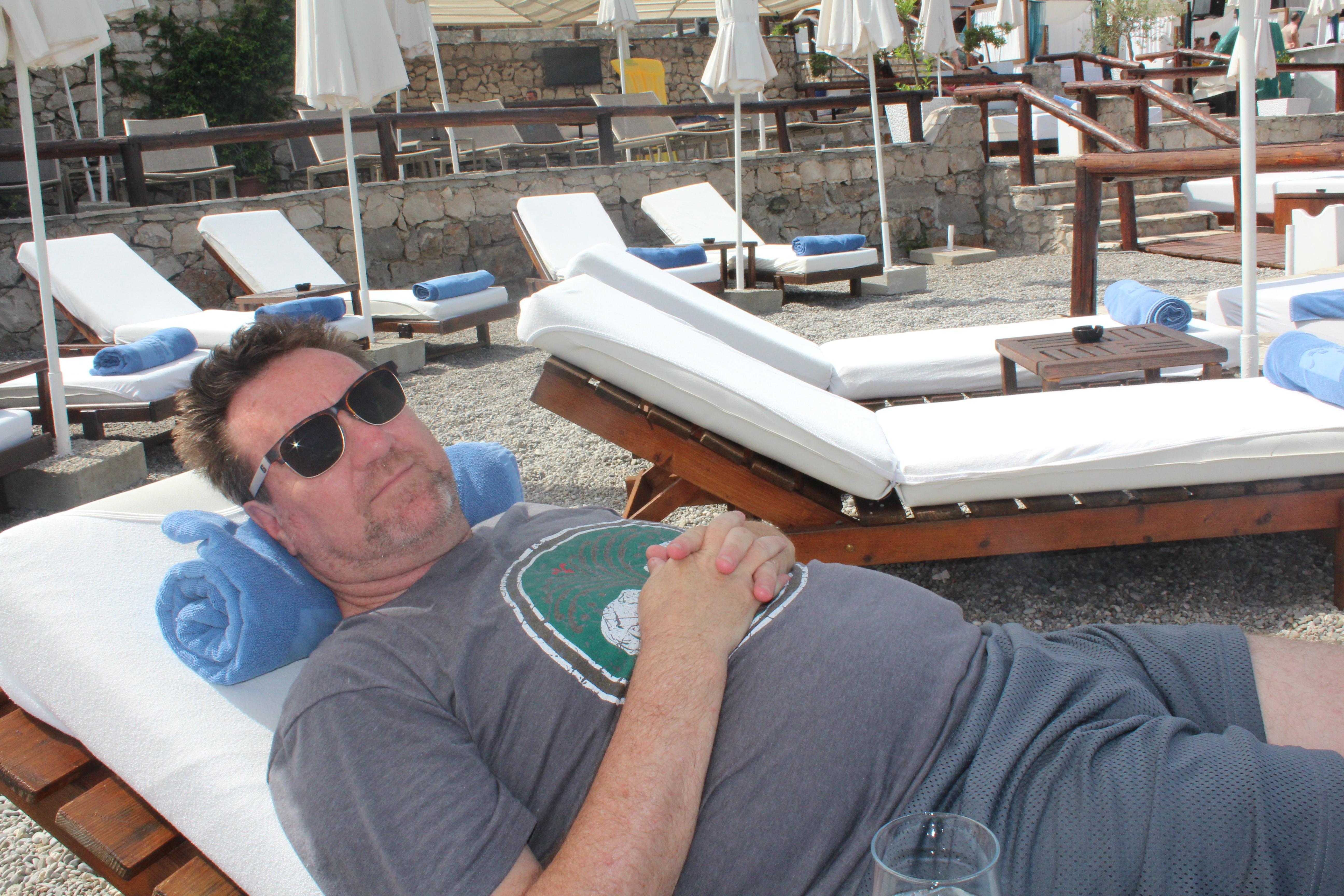
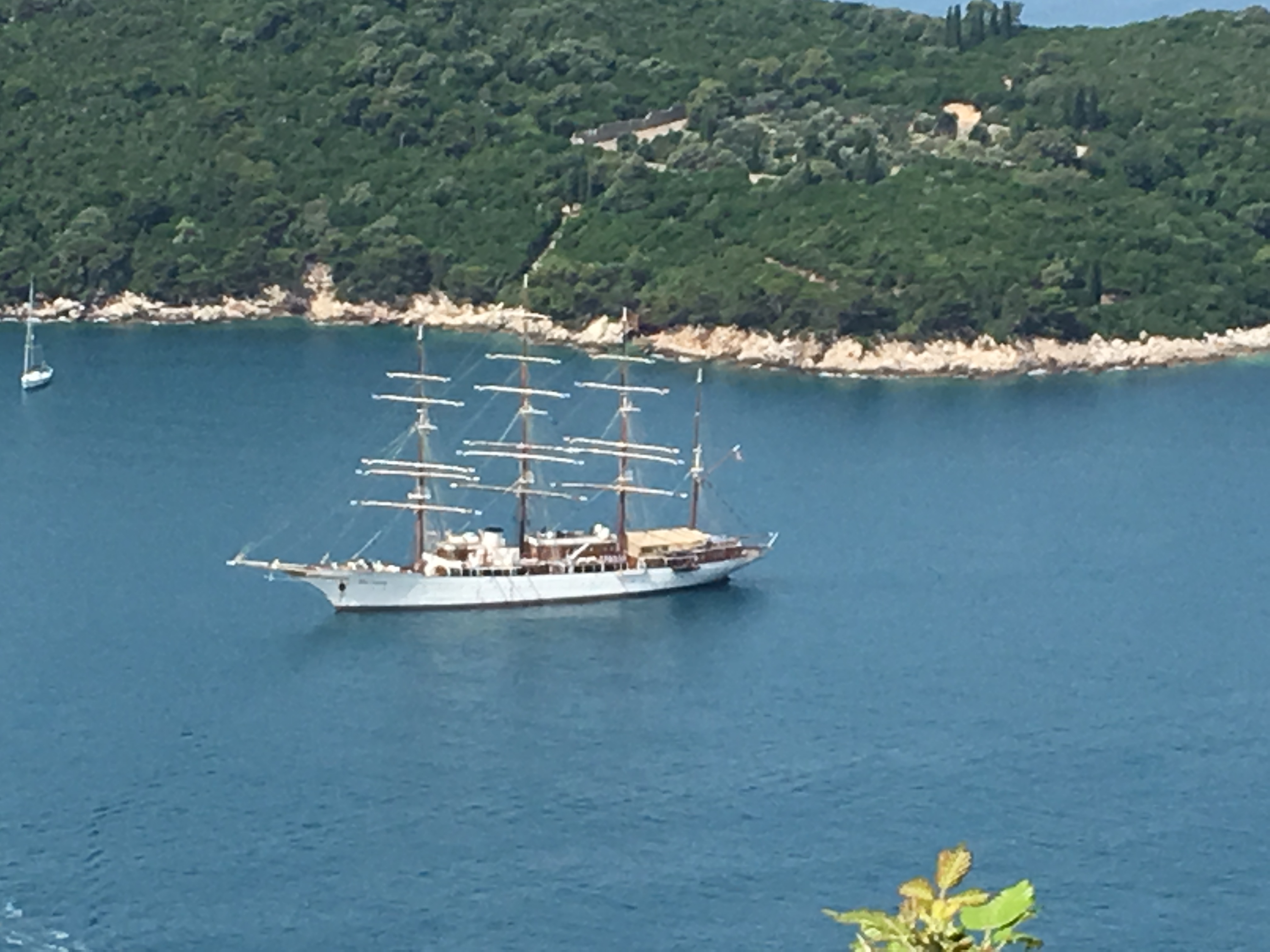
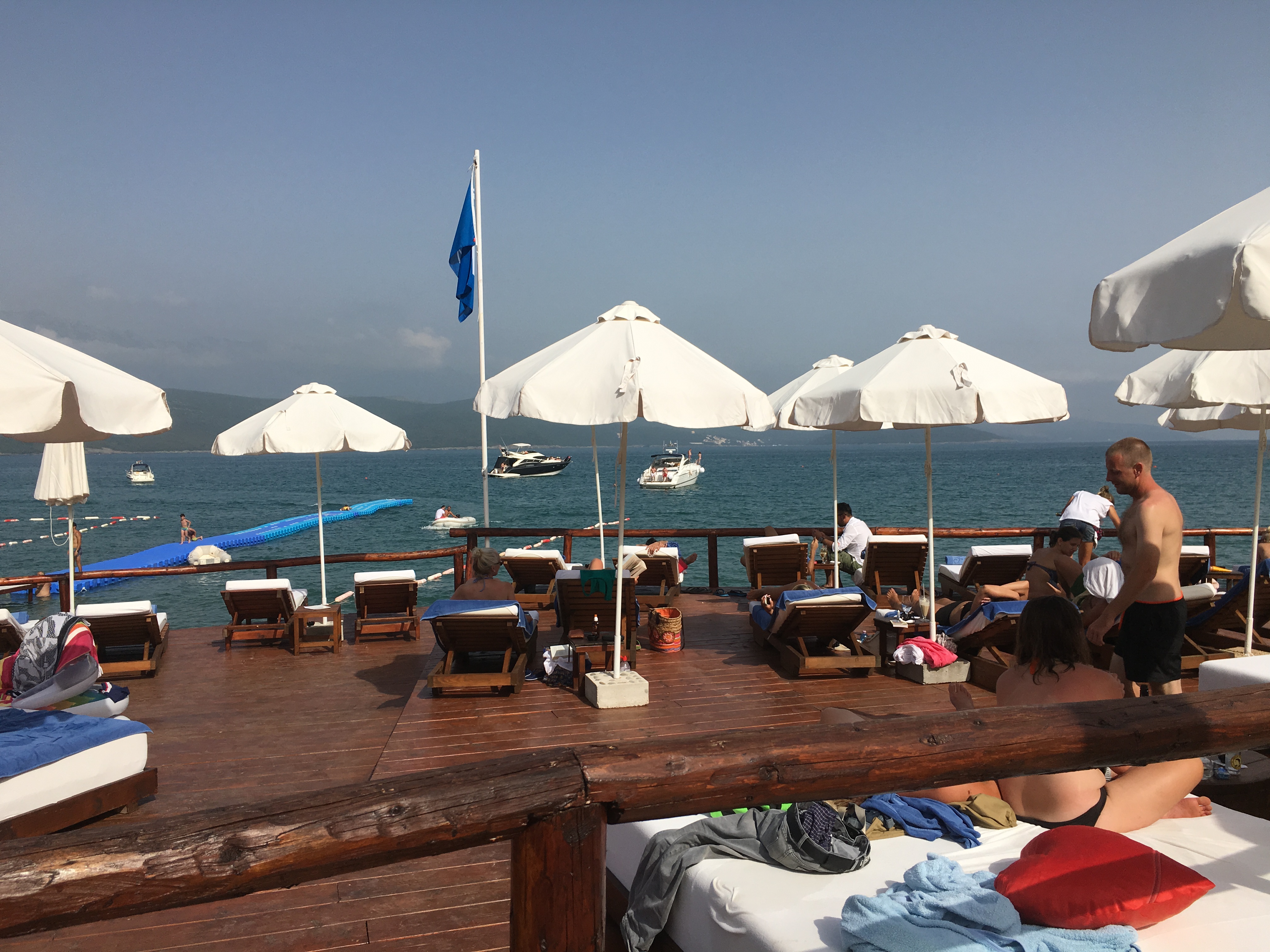
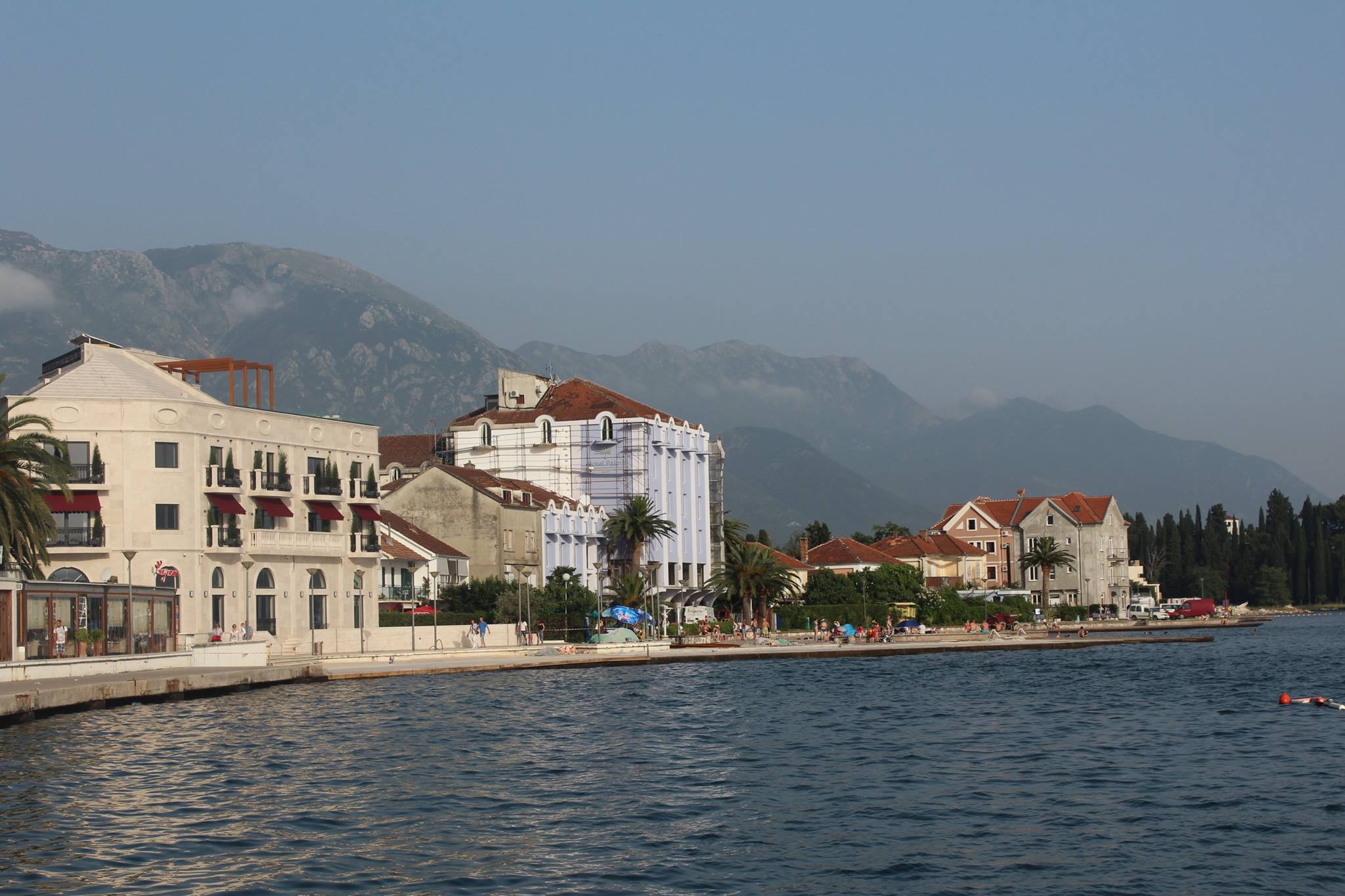
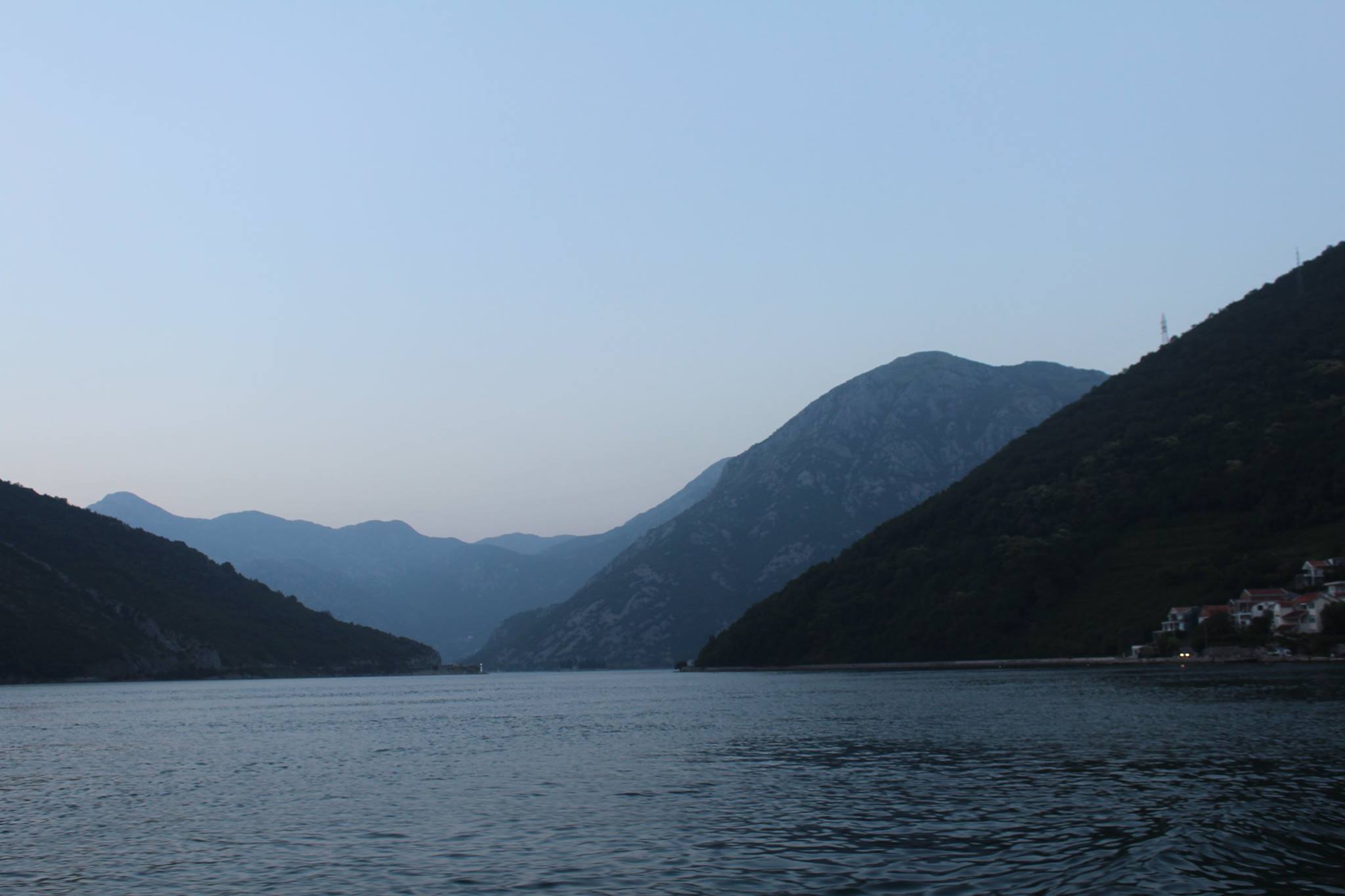
After a couple of days in Dubrovnik, we drove south to see the coast and find a beach — ended up in the next country, Montenegro. We drove around a large bay surrounded by 5,000-foot mountains with clear blue water and first stopped in the town of Kotor, which had a nice old town. Then to the coast — not much of a beach but a nice shoreline with a beach club. Heading back towards Croatia we stopped in the town of Tivat — totally shocked. Apparently it is the new Med hot spot — I have been out of the loop on the preferred home for "super yachts" — the port rebuilt with first-rate hotels and restaurants.
The Bay of Kotor (Boka Kotorska) is often described as Europe's southernmost fjord — though technically it is a submerged river canyon rather than a glacially-carved fjord. The walled old town of Kotor is a UNESCO World Heritage Site, with Venetian-era fortifications dating from the 9th century stretching up the steep hillside behind the town. The walls visible climbing the mountain in these photos rise to the hilltop Fortress of San Giovanni, about 260 metres above sea level. Porto Montenegro at Tivat was developed from a former Yugoslav naval base starting around 2006 and became one of the Mediterranean's premier superyacht berths — capable of accommodating vessels over 200 metres in length.




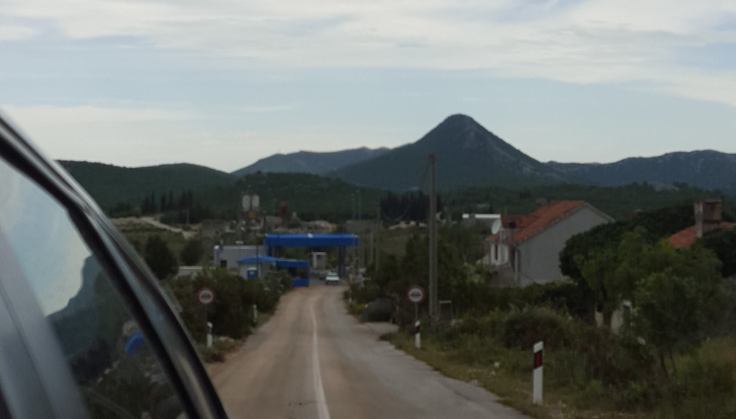
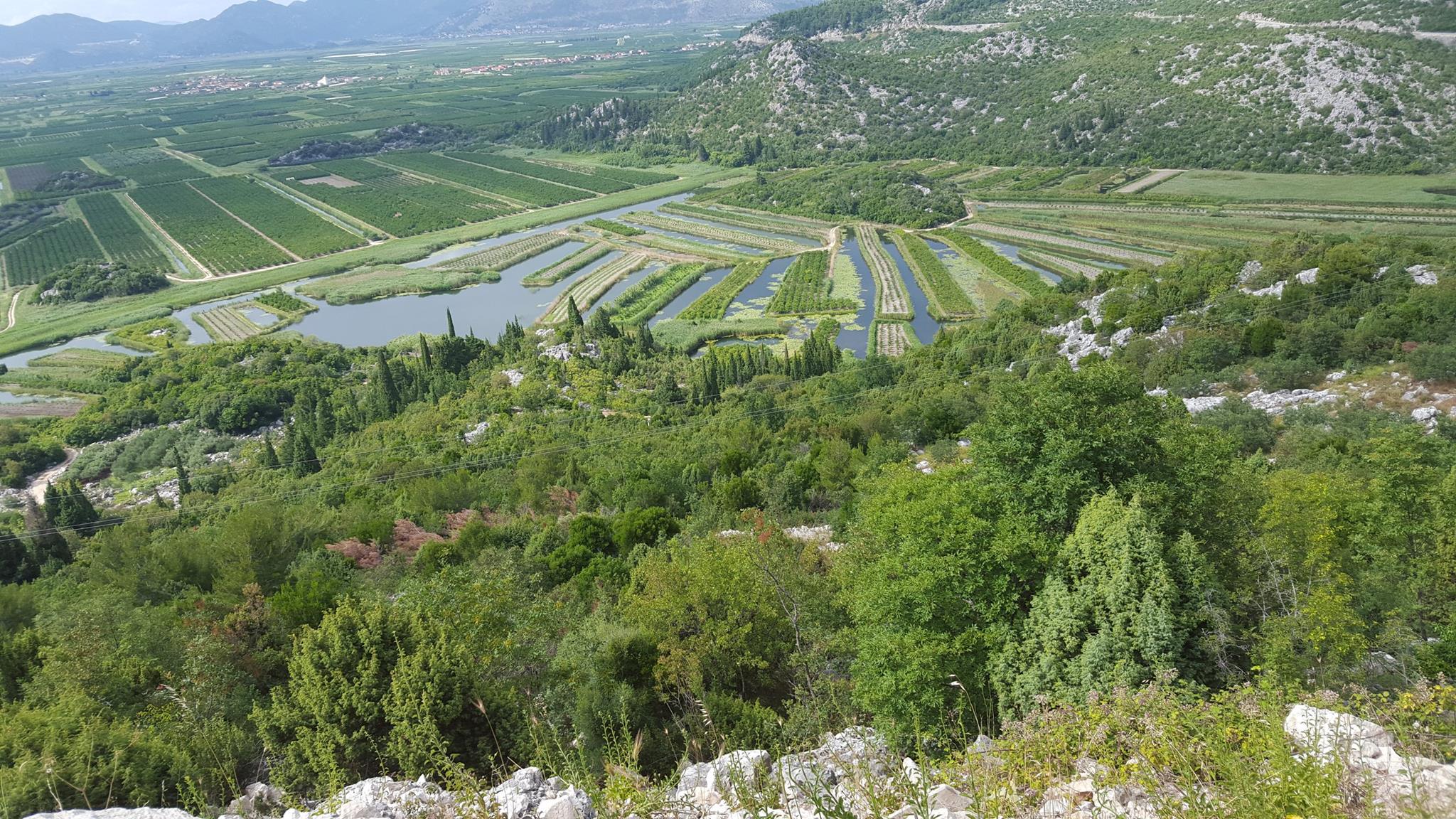
After spending time in Croatia and Montenegro, Sharon left to London and the girls left to Vienna. I had a half-day and was going to drive to Mostar in Bosnia — it was about a two-hour drive from Dubrovnik. I followed Google Maps north along the coast, which was beautiful, then turned inland. When I got to the border crossing there was no line and it was very sketchy — the guard chases me down and says it was only for locals, directs me back to the coast highway, and questions "why go to Mostar — no good, stay in Croatia much better."
I then entered Bosnia unexpectedly along the coast with a short line at the crossing — then went back through another border crossing into Croatia again. Kinda like driving through Delaware from MD to NJ. But I was on the right road to Mostar — however when I got to the next border crossing the line was very long and I would not be able to make it across and back before it was very late. So I didn't go through the crossing. Back to Dubrovnik where I met a friend from Korea for dinner who happened to be touring Croatia — I asked why so many Korean tourists in Croatia and he said there was a reality travel show filmed there that was very popular, called "꽃보다 누나."
"Kinda like driving through Delaware from MD to NJ — except with a border guard telling me to stay in Croatia."
I am not a cruise person — but I think the best way to see the Croatian coast would be a cruise from Split to Tivat or Kotor.
Mostar, about 130 km north of Dubrovnik across the Bosnian border, is famous for its Stari Most — the Ottoman stone bridge commissioned by Suleiman the Magnificent in 1557 and designed by the architect Mimar Hayruddin. The bridge spanned the Neretva River for 427 years until it was deliberately destroyed by Croat forces in November 1993 during the Bosnian War. It was painstakingly rebuilt using the original limestone from the riverbed and reopened in 2004, and is now a UNESCO World Heritage Site. The local Mostar Diving Club's tradition of leaping from the 21-metre bridge arch continues today — divers collect donations from tourists before jumping. The unusual patchwork of Croatian, Bosnian, and Serbian border territory along the coastal road is a direct legacy of the Dayton Agreement of 1995, which created Bosnia's short access to the Adriatic at Neum — the strip of Bosnia that divides Croatia's coast and explains why a drive from Dubrovnik to Mostar crosses so many border checkpoints.